Protein is an essential nutrient needed for building muscle, repairing tissue, supporting immune function, producing enzymes and hormones. While meat is a traditional go-to for protein, many people today are turning to meatless options—whether for health, ethical, environmental or religious reasons. Fortunately, there are plenty of plant-based and vegetarian-friendly protein sources that can meet daily nutritional needs. Here’s a look at the most popular meatless protein options, along with their advantages and drawbacks.
Top Meatless Protein Sources
-
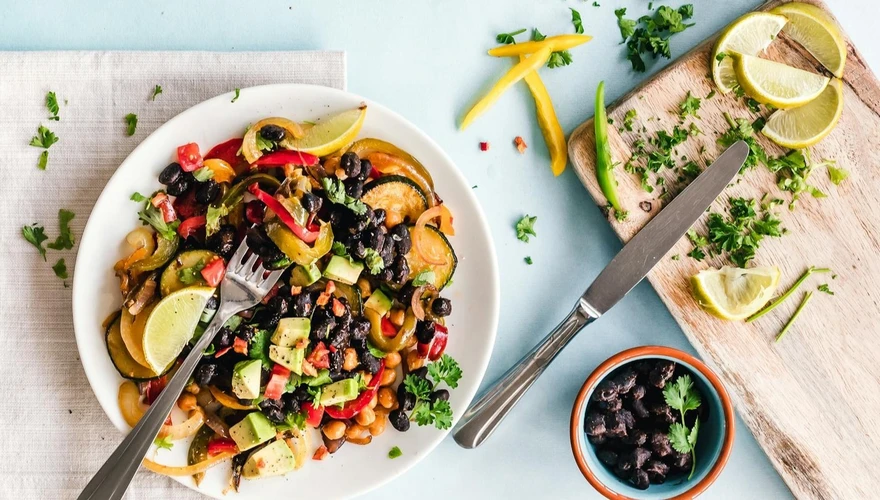
Legumes : A staple in many cultures, legumes are rich in protein, fiber, and iron. One cup of cooked lentils provides around 18 grams of protein. They’re versatile and budget-friendly.
-
Soy Products : Soy is one of the few plant-based complete proteins, containing all nine essential amino acids. These products are great for stir-fries, curries, or salads.
-
Nuts and Seeds : Packed with protein and healthy fats, nuts and seeds are excellent as snacks, toppings, or blended into smoothies.
-
Whole Grains : Quinoa stands out as a complete protein, while other grains provide moderate amounts of protein and essential nutrients like B vitamins and fiber.
-
Dairy and Eggs : Eggs, cheese, milk, and yogurt are rich in high-quality protein and support muscle health and bone strength.
-
Vegetables : While not as protein-dense as other sources, many vegetables contribute to total protein intake and are rich in vitamins and antioxidants.
Pros of Meatless Protein Sources
-
Health Benefits: Most plant-based proteins are low in saturated fat and cholesterol, supporting heart health and weight management.
-
High in Fiber: Unlike meat, plant proteins come with fiber, aiding digestion, improving gut health, and helping to control blood sugar levels.
-
Rich in Micronutrients: Many meatless protein sources also provide iron, magnesium, potassium, and antioxidants, offering a broader nutritional profile.
-
Environmentally Sustainable: Plant-based protein production generally requires fewer natural resources and produces less greenhouse gas than meat production.
-
Affordable and Accessible: Foods like beans, lentils, and grains are widely available and cost-effective, making them ideal for everyday meals.
Cons of Meatless Protein Sources
-
Incomplete Proteins: Most plant proteins lack one or more essential amino acids. However, combining foods can create a complete protein profile.
-
Lower Protein Density: Larger portions of plant foods are often needed to match the protein content of meat, which may not suit all appetites or meal plans.
-
Digestive Discomfort: Some people may experience bloating or gas from beans, lentils, or certain vegetables if not prepared properly.
-
Anti-Nutrients: Compounds like phytates and oxalates in some plant foods can inhibit mineral absorption, though proper cooking can reduce their effects.
-