Pregnancy is a time of profound hormonal shifts that are essential for the growth and development of the baby. Hormones like estrogen, progesterone, human chorionic gonadotropin and others increase dramatically to support the changes a woman’s body goes through during this period. However, when these hormones become imbalanced—either too high or too low—it can result in a variety of complications for both the mother and the fetus. Hormonal imbalance in pregnancy is not uncommon and understanding it, along with appropriate dietary choices, is key to managing its effects.
Several factors can lead to hormonal imbalance during pregnancy. These include underlying thyroid disorders, gestational diabetes, high stress levels, poor nutrition, lack of physical activity, or pre-existing hormonal conditions such as polycystic ovary syndrome (PCOS). Common symptoms of hormonal imbalance in pregnancy include fatigue, mood swings, excessive weight gain or weight loss, insomnia, anxiety, irritability, hair thinning, and irregular appetite. In more severe cases, hormonal imbalance may lead to complications such as miscarriage, preterm labor, gestational diabetes, or high blood pressure.
One of the most common hormonal imbalances during pregnancy involves thyroid hormones. Hypothyroidism can cause fatigue, depression, and slowed metabolism, while hyperthyroidism may lead to anxiety, rapid heartbeat, and weight loss. Another significant imbalance is in insulin levels, leading to gestational diabetes, where the body cannot effectively use insulin, resulting in high blood sugar levels.
Nutrition plays a crucial role in maintaining hormonal balance during pregnancy. Choosing the right foods can help support the endocrine system and promote a healthier pregnancy. Here are some food preferences that can help manage or prevent hormonal imbalances:
-
High-fiber foods: Whole grains, legumes, fruits and vegetables help regulate blood sugar and insulin levels. They also support digestion and hormone detoxification.
-
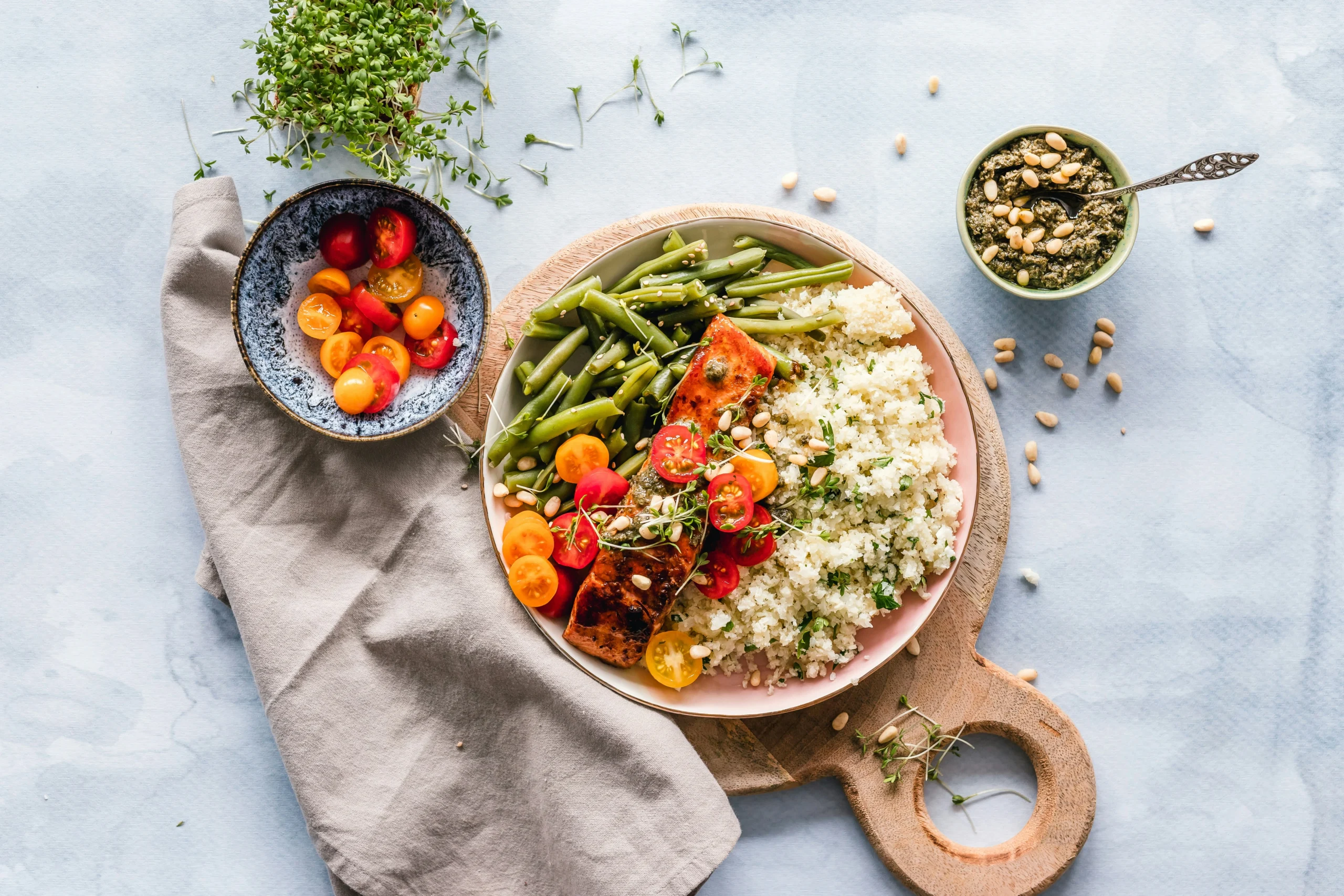
Healthy fats: Omega-3 fatty acids found in flaxseeds, chia seeds, walnuts and fatty fish like salmon help support hormone production and reduce inflammation.
-
Protein-rich foods: Lean meats, eggs, tofu, beans, and lentils are essential for hormone synthesis and fetal development.
-
Foods rich in iodine and selenium: These are crucial for thyroid health. Include seaweed , eggs, dairy and Brazil nuts to support thyroid hormone production.
-
Iron and folate-rich foods: Leafy greens, lentils, and fortified cereals are essential for red blood cell production and hormone support.
-
Avoid processed and sugary foods: Excess sugar and refined carbs can worsen insulin resistance and lead to gestational diabetes.
Hydration, regular prenatal vitamins and a balanced intake of micronutrients are also important. It is advisable to consult with a healthcare provider or nutritionist before making major dietary changes, especially during pregnancy.