Combining a vitamin-rich diet with nutrition-focused choices is a powerful strategy for controlling stress and depression. The foods you eat supply key vitamins and nutrients that regulate brain chemicals, reduce inflammation and protect nerve cells. Here’s how you can approach this for maximum benefit:
-
B Vitamins (B1, B2, B3, B6, B9/folate, B12)
-
These are crucial for producing neurotransmitters like serotonin and dopamine. Low levels increase the risk and severity of depression and can impair cognitive function. Foods rich in B vitamins include eggs, milk, meats, leafy greens, beans, nuts, and fortified cereals. B vitamins also help modulate stress responses by supporting nervous system health.
-
-
Vitamin D
-
Deficiency is strongly linked to a higher risk of depression. Vitamin D influences nerve growth, neurotransmitter production, and immune modulation. Sunlight is the primary source, but dietary options such as oily fish, fortified dairy, eggs, and beef liver are valuable, especially for those with limited sun exposure.
-
-
Vitamin C
-
Functions as a potent antioxidant and neuromodulator, protecting brain cells and helping regulate neurotransmitters like dopamine. High vitamin C foods include citrus fruits, berries, broccoli, peppers, and parsley. Studies show supplementation may reduce depressive symptoms and improve mood.
-
-
Antioxidants (Vitamins A, E)
-
Essential for neutralizing free radicals that contribute to inflammation linked to depression. Colorful fruits and vegetables, nuts, seeds, and leafy foods are good sources.
-
Foods and Nutrients for a Depression-Fighting Diet
-
Omega-3 Fatty Acids
-
Found in fatty fish (salmon, mackerel, sardines), walnuts, flaxseed, and chia seeds, omega-3s help preserve brain cell structure and function, supporting mood stability.
-
-
Protein
-
Proteins from turkey, tuna, chicken, beans, eggs, and dairy help produce serotonin, the “feel good” neurotransmitter.
-
-
Minerals: Magnesium, Zinc, Selenium
-
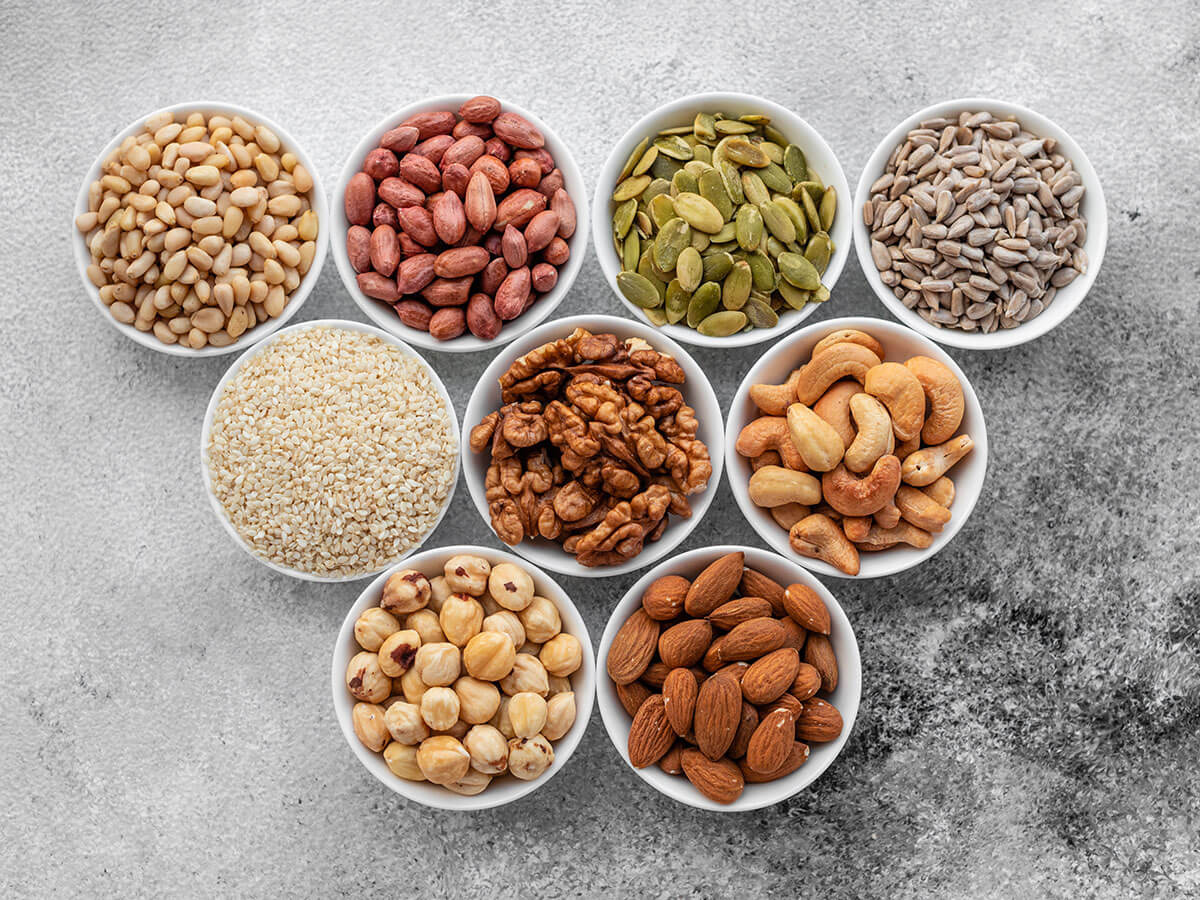
Nuts, seeds, whole grains, seafood, and legumes are rich in these minerals, which play critical roles in mood regulation and cognitive function.
-
-
Probiotics
-
Yogurt, kefir, kimchi, and sauerkraut promote a healthy gut microbiota, reducing inflammation and supporting mental well-being by enhancing the gut-brain axis.
-
Key Strategies
-
Choose a variety of fresh, colorful fruits and vegetables for their vitamins and antioxidants.
-
Adopt whole grains and lean proteins.
-
Incorporate fermented foods for gut health.
-
Limit highly processed foods, excess sugar, and saturated fats, as these can worsen mood and energy levels.
-
Supplement with vitamins D, B-complex, and C if dietary intake or lifestyle factors create a deficiency, after consulting a healthcare provider.