
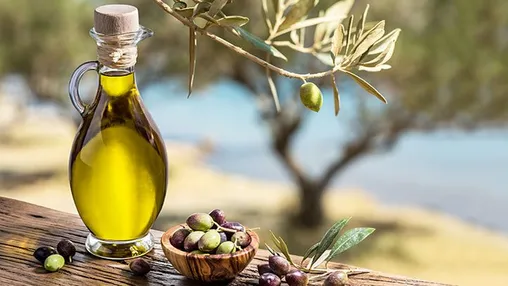
Indian cooking is renowned for its bold flavors, vibrant spices and a diverse range of cooking techniques from deep-frying to slow simmering. Traditionally, oils like mustard, groundnut or sunflower have been kitchen staples. However, Health-conscious cooking has sparked interest in alternatives like olive pomace oil. Derived from the residue left after the extraction of extra virgin olive oil, olive pomace oil offers a budget-friendly and versatile option for Indian cuisine. But how well does it really fit into the Indian kitchen? Let’s explore.
What is Olive Pomace Oil?
Olive pomace oil is extracted from the olive pulp, skin, and pits left after pressing olives for extra virgin or virgin olive oil. It is then refined and often blended with a small amount of virgin olive oil to enhance flavor and nutrition. While not as nutrient-rich as extra virgin olive oil, it has a higher smoke point, making it more suitable for high-heat cooking methods.
Pros of Using Olive Pomace Oil in Cooking
-
High Smoke Point : Indian cooking often involves high-heat techniques like deep-frying, sautéing, and Tempering. Olive pomace oil’s high smoke point makes it a suitable and stable option for these methods, unlike extra virgin olive oil, which breaks down at lower temperatures.
-
Neutral Flavor: Unlike mustard or coconut oil, olive pomace oil has a mild taste that doesn’t overpower the dish. This is ideal for dishes where the spices and ingredients should shine, making it a great all-rounder for dal tadka, sabzis, and even biryanis.
-
Healthier Than Many Traditional Oils: While not as nutrient-dense as extra virgin olive oil, pomace oil still contains monounsaturated fats which are heart-healthy. It’s also low in saturated fats compared to ghee, butter, or palm oil.
-
Cost-Effective: Compared to extra virgin olive oil, olive pomace oil is significantly cheaper, making it accessible for everyday cooking without compromising much on health.
-
Long Shelf Life: The refining process gives olive pomace oil a longer shelf life, which is convenient for Indian households where oil is often purchased in bulk.
Cons of Using Olive Pomace Oil
-
Refined and Processed: Since pomace oil is highly refined, it loses many of the natural antioxidants and nutrients found in extra virgin olive oil. It is more of a functional oil than a health-boosting one.
-
Lacks Authentic Flavor for Certain Dishes: While its neutrality can be a plus, it also means it lacks the bold flavor of oils like mustard or sesame. Traditional recipes that rely on specific oil aromas may feel less authentic.
-
Controversy Over Extraction Methods: Some critics raise concerns over the chemical solvents used in the extraction process of pomace oil. While safe for consumption after refining, it’s something health purists may want to avoid.
-
Limited Nutritional Value: If you’re switching to olive oil for its health benefits, pomace oil might not give you the full spectrum. It doesn’t contain the same levels of polyphenols or vitamin E as extra virgin olive oil.